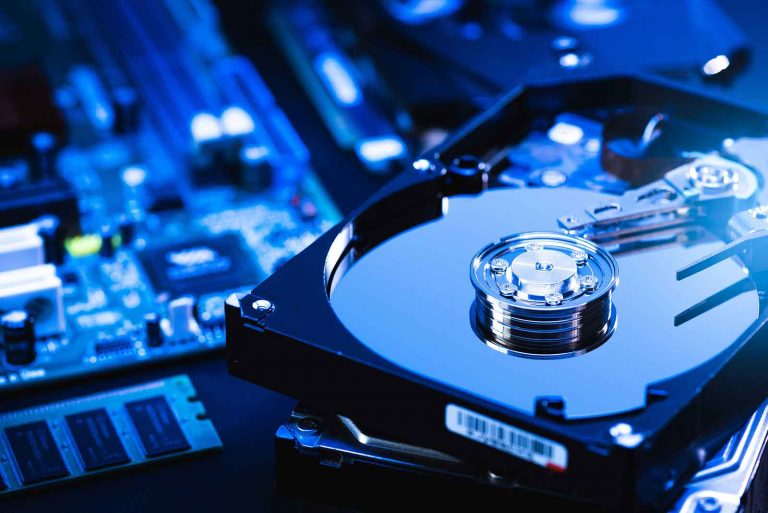


If you have ever lost any Data Recovery on your computer, I’m sure you never want to do that again. There are a number of different ways that you can effectively manage data loss in the future. Data loss can occur in various ways, the common way it happens is through damage to your computer’s hard drive. Another way that you may lose data is if a virus attacks your computer. You should always ensure that you have good anti-virus protection on your computer. The advice that follows will help you on how to effectively manage data loss and hopefully prevent any future loss of data.
Taking a Separate Data Recovery Backup:
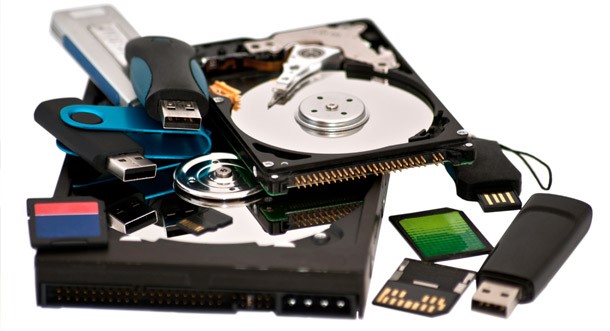
To ensure that the data on your computer can easily be recovered, an excellent way to protect it is by taking external backups of important data. It is vital that you back up your Data Recovery on external devices or on a different computer. For obvious reasons you should not backup data on the same computer, because if there is a major problem, this may result in you losing all of your information. Using an external hard drive or CD is a good way to back up your data.
Using a Diagnostic Data Recovery Software:
Running regular diagnostic checks on your computer can be good for your computer’s health. Generally, this type of check will repair any problems which are causing your computer to run slowly. But, you should be aware that some repairs may make it more difficult for you to recover data if it is lost. Always ensure that you double check any repairs that the diagnostic software has carried out. To secure your system from being attacked by viruses and hacking attempt, a reliable anti-virus, and anti-hacking software should be installed on your system so that there is not any chance of any virus attack or hacking attempt when you are connected to the internet.
Running Disk Cleanup:
Another problem which might cause data loss is the presence of errors on your hard drive, your data is stored on the hard drive, and its maintenance is crucial to restrict data loss. You can keep your hard drive maintained by command line utility called check disk or running disk cleanup or using disk fragmentation. Another issue which causes data loss is not keeping your registry clean. Any error which may occur from the registry may cause data loss, and to prevent data loss, it’s better to keep your registry clear by removing unwanted and malicious information from your registry.
Use Uninterrupted Power Supply:
Electricity fluctuation may also cause the electronic devices to malfunction resulting in Wikipedia Data loss, and also your hardware gets destroyed. It is better to use uninterrupted electric supply for the protection of your machine and also for the security of your data.
A data protection software can also be used to back up data; this software does not only secure your information but also prevent data loss by restricting hacking attempts and virus attacks. This software is more secure and reliable because even if your system gets crashed, it’ll keep your data safe. You’ll be able can access your data by installing them on other machines.